
Anyone who has lived in southern Alberta knows how fast the weather can swing. A chinook can lift temperatures from minus twenty to plus ten in a few hours, and then a cold front can drop them right back. Those swings are hard on a house, because water that seeps into small gaps expands as it freezes and relaxes as it thaws, again and again. Over a winter, freeze-thaw cycles could widen cracks, damage roofs, and let moisture in where it doesn’t belong. A little attention now can prevent much of it. Here’s what to look for and how to protect your home.
Understand How Freeze-Thaw Cycles Damage a Home
Water gets into cracks in concrete, mortar, siding, caulk, and roofing, and when it freezes, it expands by roughly nine percent. That force can pry materials apart, and repeated cycles make a tiny crack larger each time. The most vulnerable spots include concrete steps and driveways, foundation walls, brick and stucco, chimney caps, window and door frames, roof valleys, and gutters. Older homes and homes with poor drainage tend to show the effects sooner, but newer homes aren’t immune, since small gaps open as the building settles. A chinook adds another twist. It melts snow on the roof, and the meltwater runs down to cold eaves and refreezes, which could form ice dams and send water back under the shingles.
Seal Cracks Before Water Gets In
Walk around the house and look at the foundation, concrete steps, and walkways for cracks and flaking surfaces. Fill small cracks with a flexible exterior sealant made for the material, and have larger cracks evaluated. Check the mortar between bricks and repair crumbling joints. Keep a tube of sealant and a putty knife handy so you can fix small gaps as soon as you notice them. Replace failing caulk around windows, doors, and trim, and touch up peeling paint, which protects wood from moisture. Each of these small repairs reduces the water available to freeze and expand, which is the key to limiting freeze-thaw damage. Pay special attention to the areas under downspouts and the joints where different materials meet, since they tend to fail first.
Manage Meltwater From the Roof and Gutters
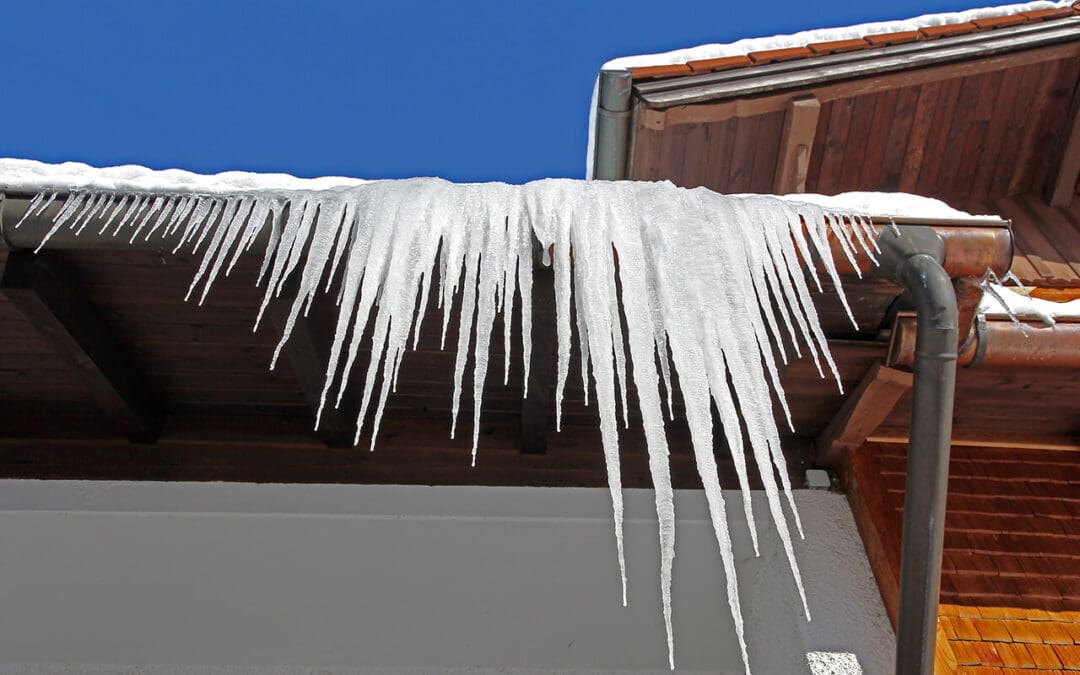
During freeze-thaw swings you want meltwater to leave the roof and travel away from the house. Keep gutters and downspouts clear of leaves and ice so water can flow, and extend downspouts well away from the foundation. Look for icicles and ice along the eaves, which can indicate heat escaping from the attic. Better insulation and air sealing in the attic help keep the roof cold and even, which reduces the melt and refreeze pattern. If your home has a flat or low-slope section, check its drains carefully, since ice can block them. If ice builds up, don’t chip at it with tools, which can damage shingles. A roof rake safely removes snow near the eaves from the ground. After a chinook, check the attic for damp insulation or frost on the underside of the roof deck, which signals warm air leaking from the living space.
Reduce Freeze-Thaw Damage Around Walkways and Foundations
Make sure the soil slopes away from the foundation, and fill low spots where water can pool and freeze. Keep snow from piling against basement walls, since melting snow can seep into small cracks and window wells. Be careful with de-icers. Rock salt may speed up scaling and flaking on concrete, especially new concrete, so use sand for traction and choose products labeled safe for concrete. Seal driveways and walkways when conditions allow, and repair chipped steps promptly, since a small chip can grow quickly through winter. Walk the property in spring to see what the winter did, and photograph new cracks so you can compare next year.
Frequently Asked Questions (FAQs)
What is a freeze-thaw cycle?
It happens when temperatures move above and below freezing repeatedly, so water in materials freezes, expands, thaws, and settles again. Each cycle can widen small cracks.
Can chinooks cause roof leaks?
They can. Rapid melting could cause meltwater to refreeze at the eaves, forming ice dams that push water under shingles and into the attic.
Is rock salt bad for concrete?
It can speed up flaking and scaling, especially on new or poorly sealed concrete. Use sand for traction or products labeled safe for concrete.
How can I tell if a foundation crack is serious?
Hairline cracks are common. Cracks that widen, leak, or show one side higher than the other should be evaluated by a professional.
Wild Rose Property Inspection provides professional home inspection services to customers in the Alberta area. If you’re buying or selling a property, contact us to request an appointment.
Recent Comments