
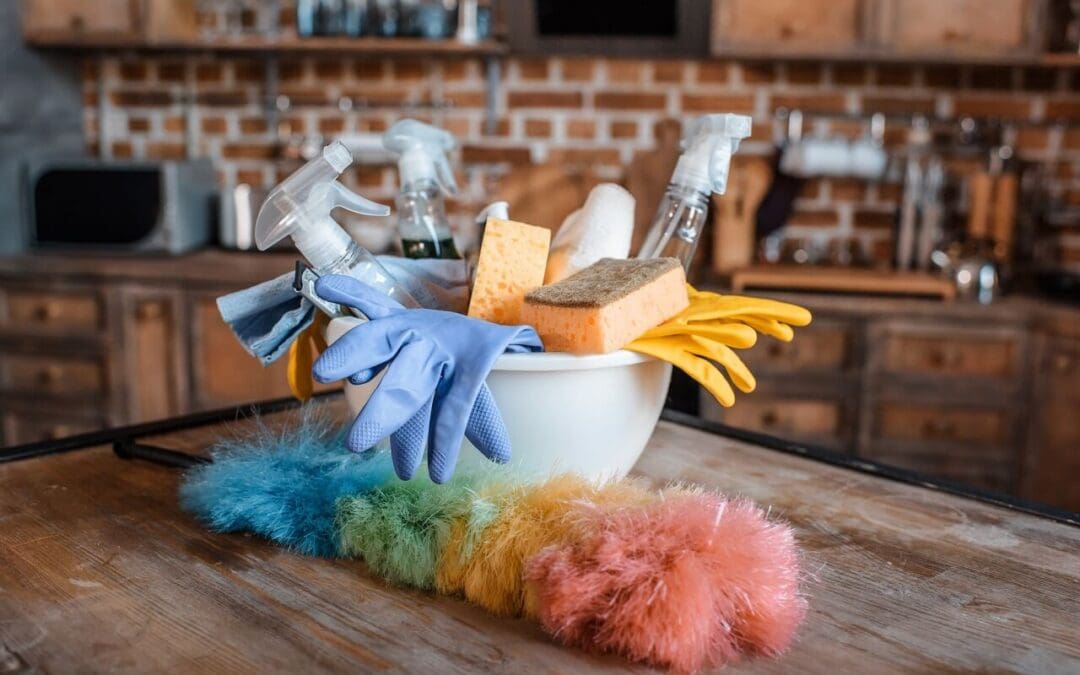
Most homeowners give little thought to the chemicals in their homes. Yet the average household contains dozens of products with ingredients that affect indoor air quality, pose health risks if improperly stored, and create serious hazards when mixed accidentally. From cleaning products and pest control sprays to paints, adhesives, and personal care items, chemicals in your home are present in nearly every room, and understanding what you’re living with and how to manage it safely is one of the most practical things a homeowner can do to protect their family.
Understanding the Chemicals in Your Home
The term “household chemicals” covers a much broader range of products than most people realize. Common cleaning supplies contain compounds that are effective at their intended purpose but require careful handling. Many of these products release volatile organic compounds, or VOCs, into the air during and after use. VOCs contribute to indoor air pollution, irritate the respiratory system, and in poorly ventilated spaces can accumulate to levels that cause headaches, dizziness, and long-term health concerns with repeated exposure.
Beyond cleaning products, chemicals in your home include pesticides and insecticides, automotive fluids stored in garages, paint and paint thinner, adhesives and solvents, and even certain personal care products. Recognizing the full scope of what’s present in the home is the first step toward managing these products more safely and intentionally.
The Risks of Mixing Chemicals in Your Home
One of the dangers of household chemicals is what happens when certain products are combined, either intentionally or accidentally. Bleach and ammonia, for example, produce toxic chloramine gas when mixed, a combination that may occur simply by using two different cleaning products in the same space without rinsing surfaces thoroughly in between. Bleach combined with acidic cleaners like vinegar produces chlorine gas, another serious respiratory hazard. These reactions can happen in a kitchen sink or bathroom with products that most households keep on hand. Reading labels carefully, never mixing products unless specifically directed to, and ensuring adequate ventilation when using any chemical-based cleaner significantly reduces this risk.
Safe Storage of Chemicals in Your Home
How chemicals are stored is just as important as how they’re used. Many household chemicals are flammable, corrosive, or toxic if ingested, and improper storage creates unnecessary risks, particularly in homes with children or pets. Store all chemical products in their original containers with labels intact. Keep chemicals in cool, dry locations away from heat sources and direct sunlight, which can degrade containers and accelerate chemical reactions. Cleaning products, pesticides, and automotive chemicals should be stored in locked or high cabinets inaccessible to children. Never store chemicals near food, and keep flammable products away from any open flame or electrical source. A garage or utility area with good ventilation is typically the safest storage location for the most hazardous household chemicals.
Reducing Chemical Exposure With Safer Alternatives
For homeowners concerned about the chemicals in their home, one of the most effective strategies is simply reducing the number and concentration of chemical-based products in use. Many common cleaning tasks can be accomplished effectively with natural alternatives, such as white vinegar, baking soda, castile soap, and hydrogen peroxide. When chemical products are necessary, choosing low-VOC or non-toxic formulations reduces the impact on indoor air quality. Always use products in well-ventilated spaces.
Proper disposal of chemicals is equally important. Many household chemicals are classified as hazardous waste and should not be poured down the drain or placed in regular trash. Most communities offer hazardous waste disposal events or drop-off sites where materials can be safely disposed of. With the right knowledge, homeowners can significantly reduce their chemical exposure, protect their family’s health, and maintain a safer living environment every day.
Frequently Asked Questions (FAQs)
What are the most common dangerous chemicals in your home?
Common hazardous household chemicals include bleach-based cleaners, ammonia-based products, drain cleaners, oven cleaners, pesticides, paint and paint thinner, and automotive fluids. Each carries specific risks related to inhalation, skin contact, or accidental ingestion.
How do chemicals in your home affect indoor air quality?
Many household chemicals release volatile organic compounds that accumulate indoors, particularly in poorly ventilated spaces. Prolonged exposure to elevated VOC levels could cause respiratory irritation, headaches, dizziness, and, in some cases, long-term health effects.
Which household chemicals should never be mixed?
Bleach and ammonia, bleach and vinegar, and bleach and rubbing alcohol are among the most dangerous combinations, as each produces toxic gases when combined.
How should I safely store chemicals?
Store all chemical products in their original labeled containers in cool, dry, well-ventilated locations away from heat sources and direct sunlight.
How do I safely dispose of household chemicals?
Check with your local municipality for hazardous waste collection events or permanent drop-off sites. Never pour chemical waste down drains or place it in regular household trash.
Wild Rose Property Inspection provides professional home inspection services to customers in the Alberta area. If you’re buying or selling a property, contact us to request an appointment.